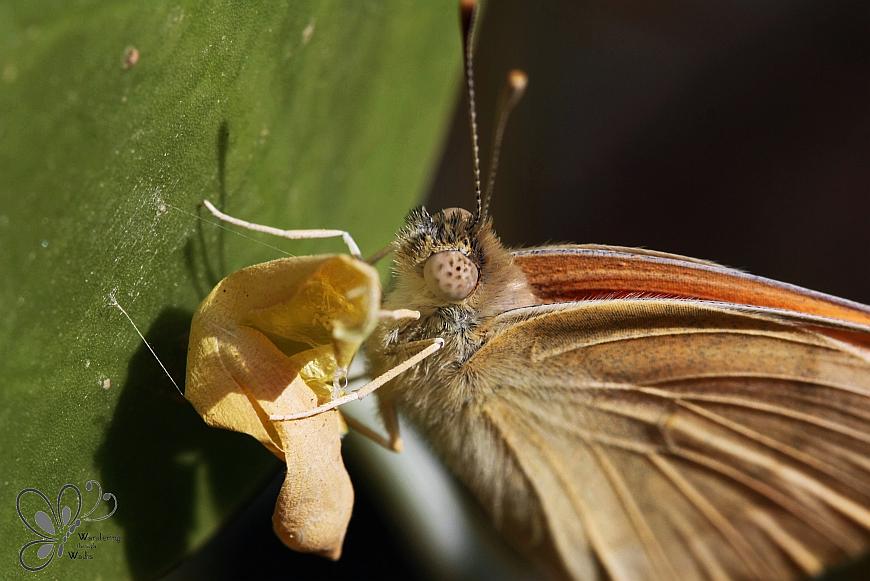
African Monarch Butterfly

Considering how much time I have spent with these beauties over the years, I’m surprised that I haven’t featured them on the blog before now!
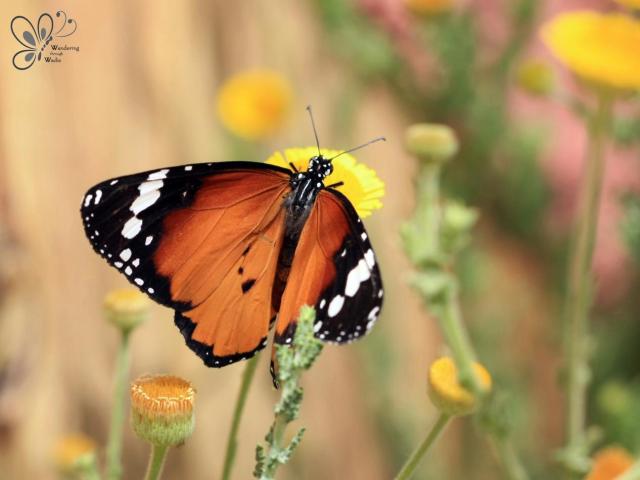
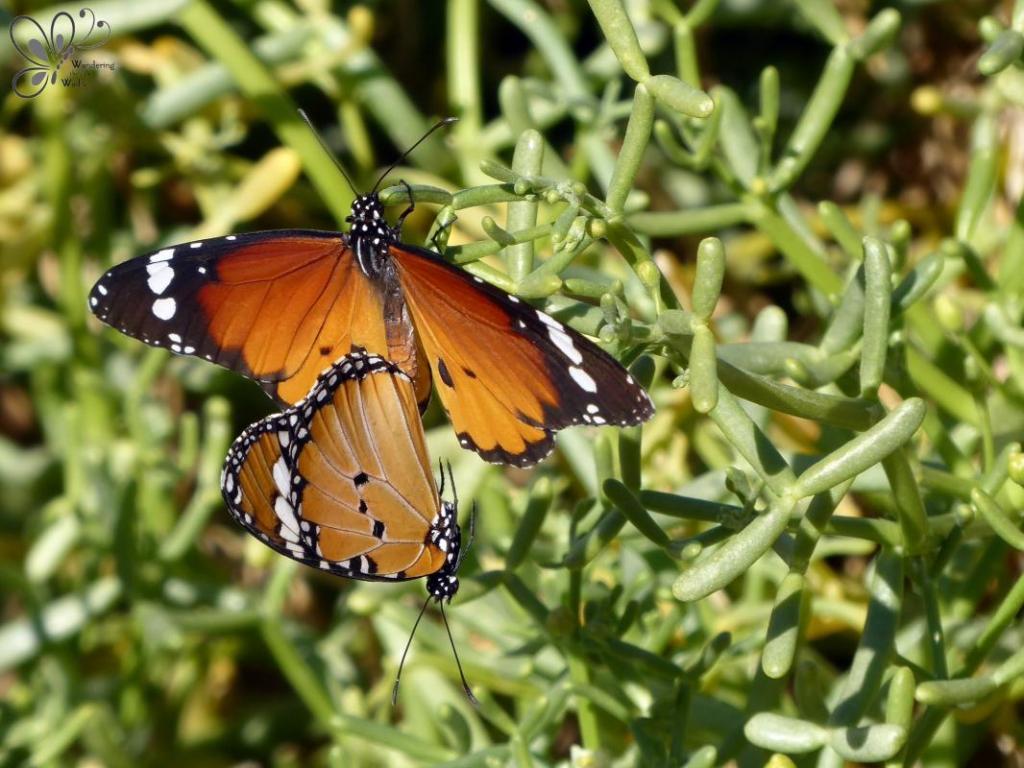
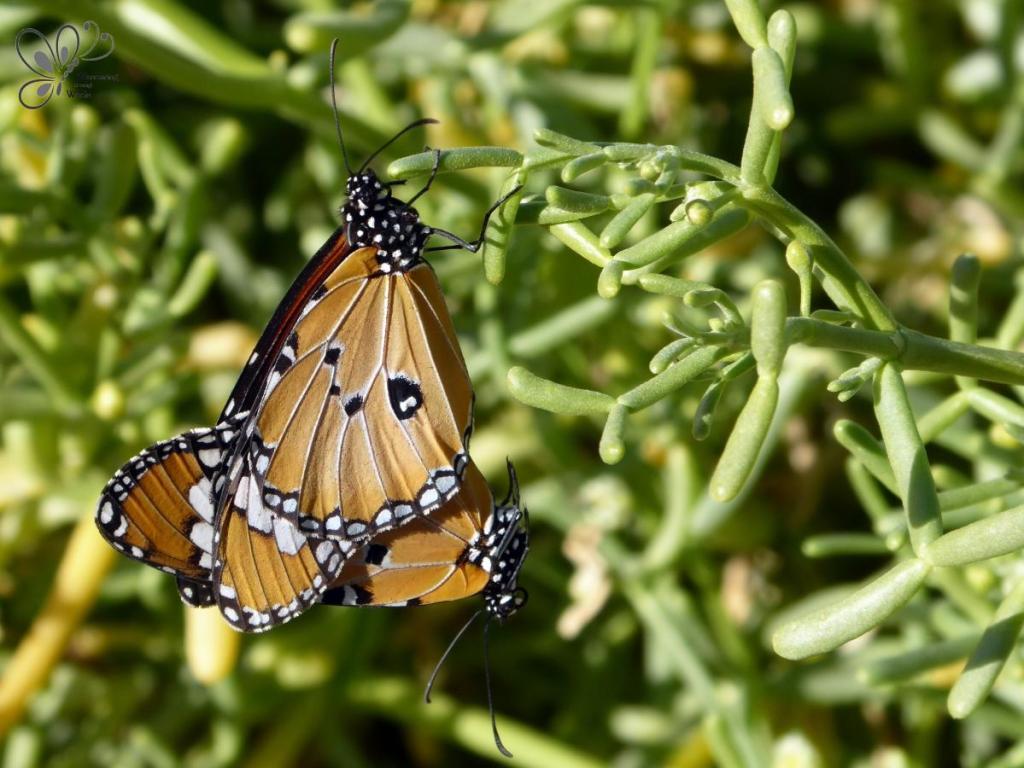
African Monarch butterflies (Danaus chrysippus), also called African Queen or Plain Tiger butterflies, are widespread and abundant in Egypt. In fact, the oldest representation of a butterfly in the world is of an African Monarch and it’s on a pharaonic wall painting in Luxor.
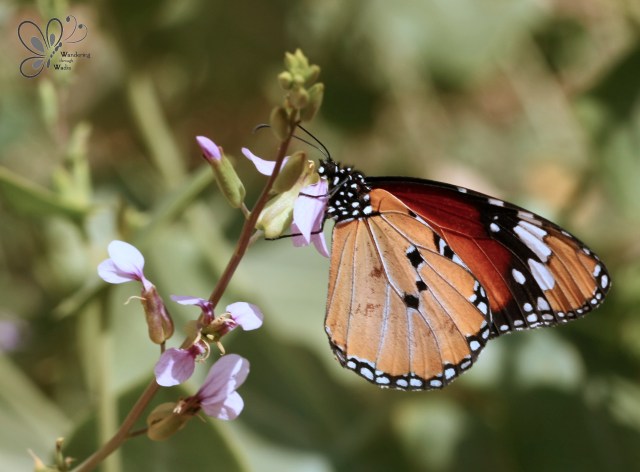
African Monarchs are members of the family Nymphalidae, often called brush-footed butterflies or four-footed butterflies because their first pair of legs are small or reduced. The caterpillars of this family of butterflies all have spiky projections on their heads and their chrysalids have shiny spots.
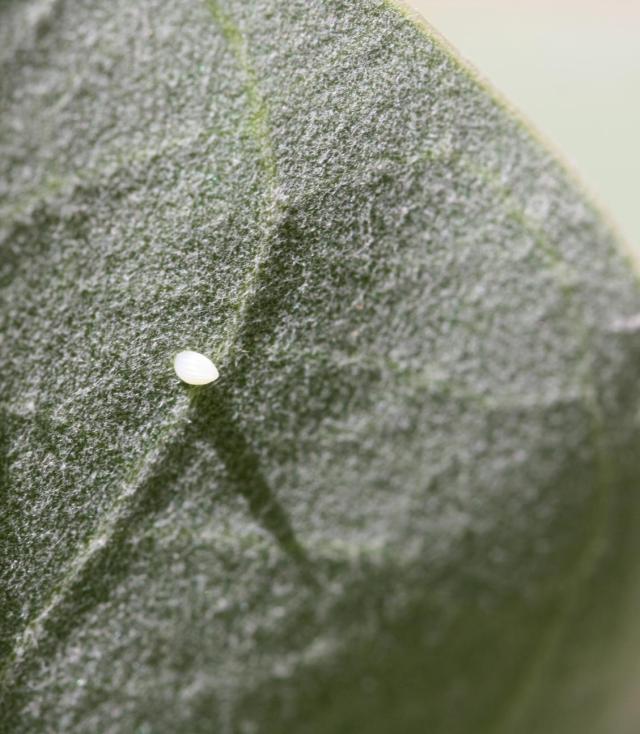
Larvae of African Monarchs prefer to feed on the leaves of Dead Sea Apple Trees (Calotropis procera) but will feed on any Asclepiadaceae, or milkweed plant, so this is where the adult butterflies will lay their eggs. The eggs are dome-shaped and ridged and typically hatch in 3 – 5 days.
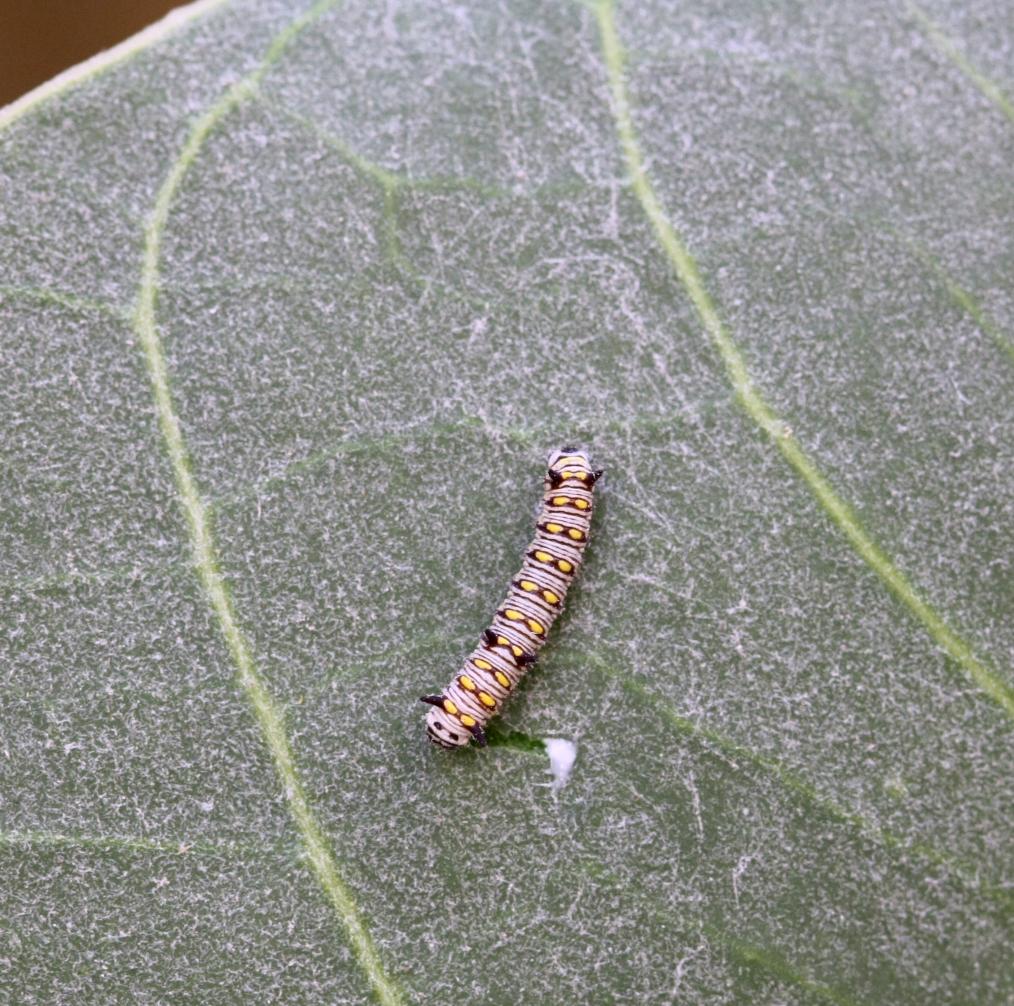
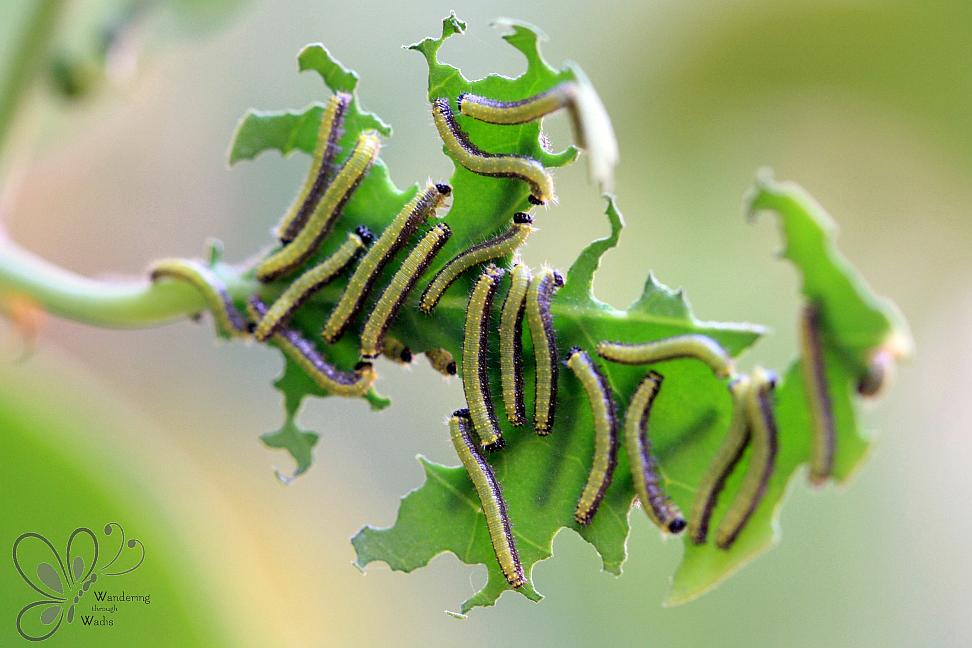
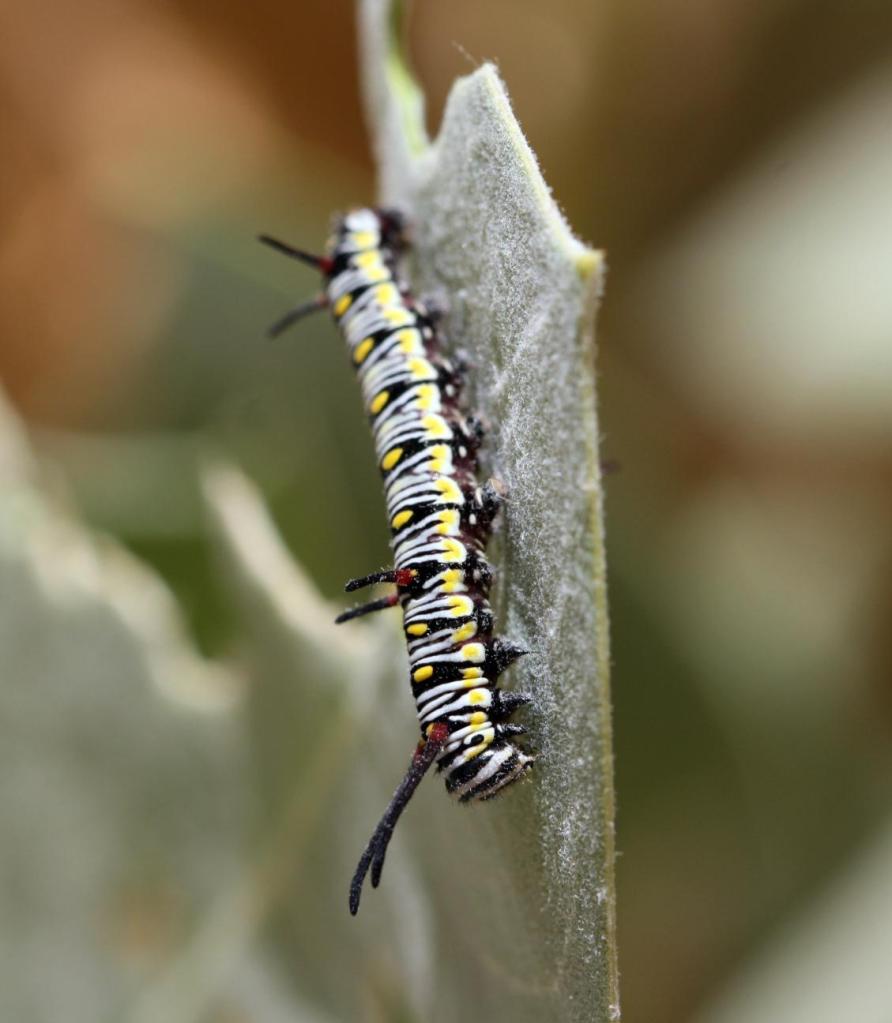
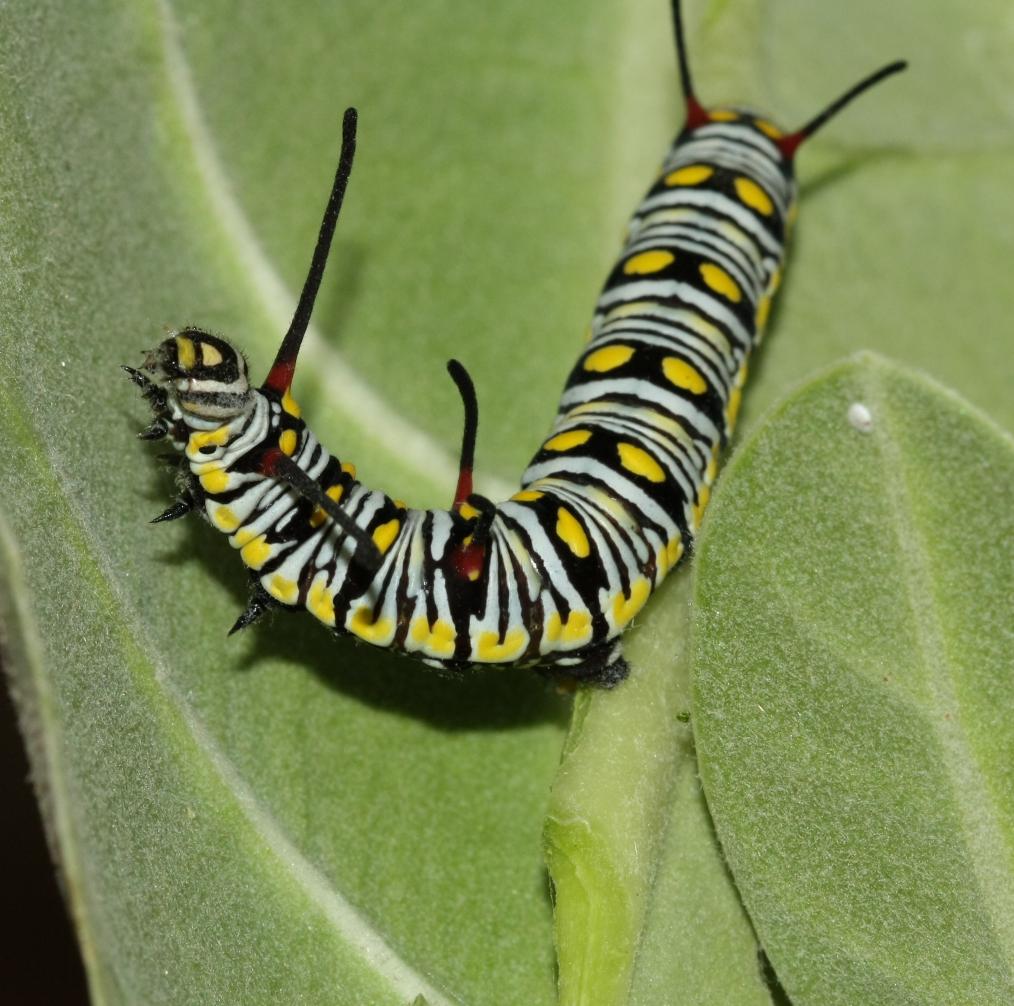
The caterpillars are striped white, yellow, and black and have black spines protruding from their bodies. As you may know, milkweed plants contain toxic compounds. These do not harm the caterpillars. Rather, the larva sequester these toxins, making the adult butterflies inedible/poisonous or distasteful to predators and acting as part of their defense system.
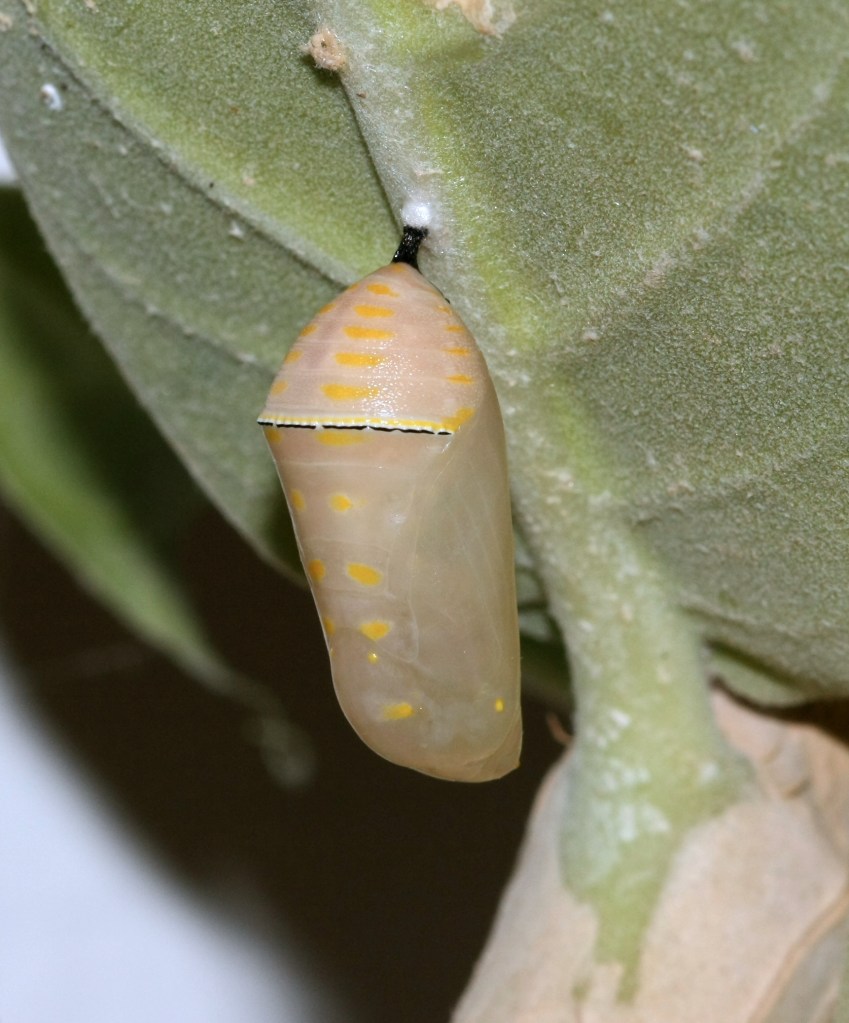
Because these butterflies, and their host plants, are common in Dahab, I have reared many of them indoors with my students. When indoors among inanimate objects, the pupa, or chrysalis, is white or pale colored. Outside in the wild, these chrysalids are bright green. In either situation, the chyrsalis has shiny gold spots, including along a black line near the top which I like to think of as a necklace.

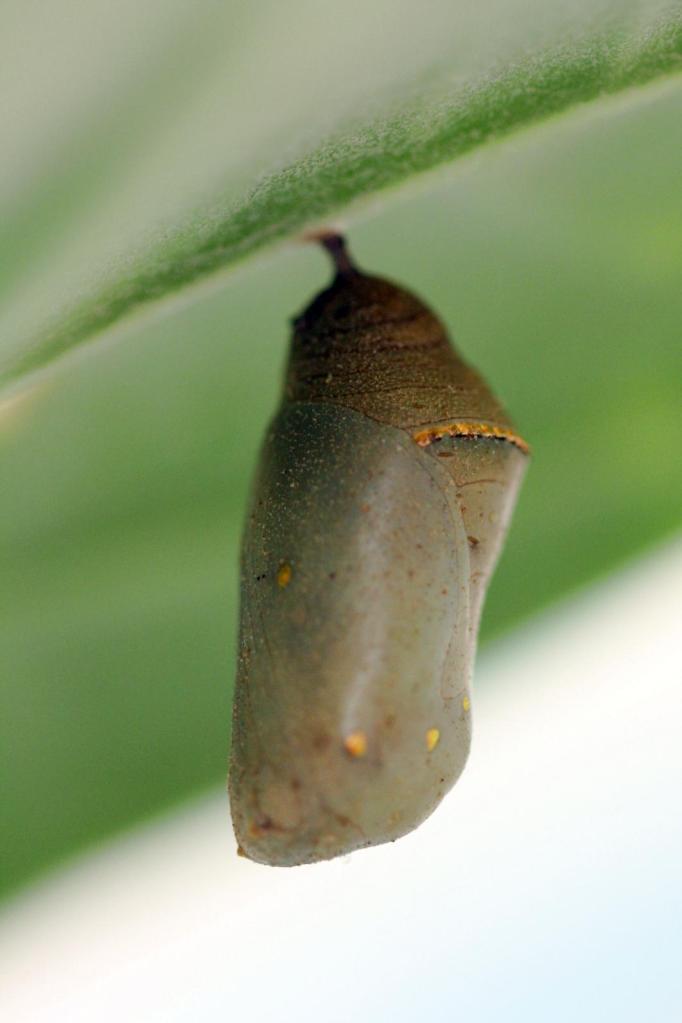
Pupation lasts between 9 and 15 days and then the adults eclose, the verb used to describe when a butterfly emerges or hatches from their chrysalis.

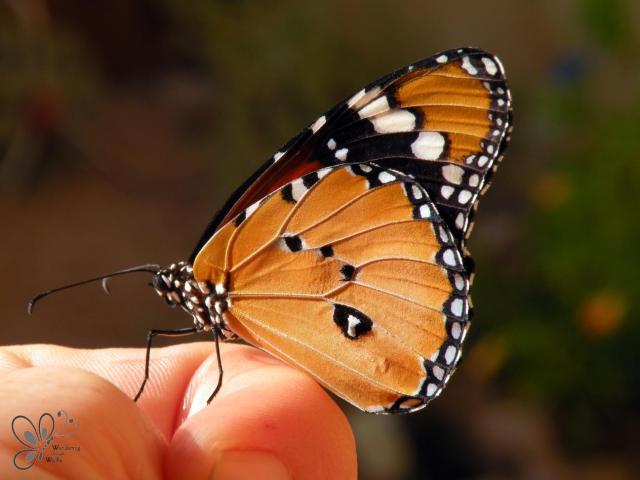
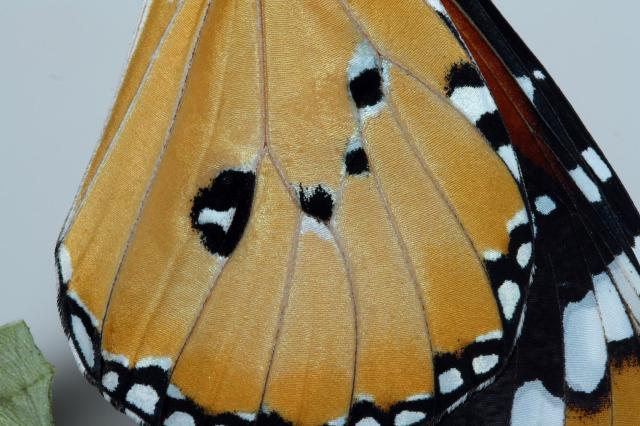
The vibrant coloring of the adult butterflies acts as a warning sign to predators, alerting them to their toxicity. The upperwings are a burnt orange color with black edges and white spots. The underwings are a dull yellow, edged with a fine black line and white dots.
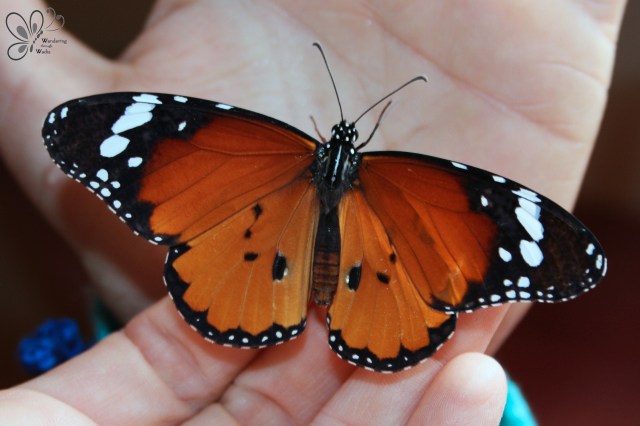
The body of the butterflies are black with many white spots. Females have three black spots on their hindwings, but males have a fourth black spot with a white center, a scent gland. Now that you know that, look back at the pictures in this post and see if you can tell the males from the females.
Adult African Monarchs feed on nectar from a variety of flowering plants and are easy to spot around Dahab. Have you spotted these beauties in town or on your wadi wanders?
Butterflies in Sinai

Butterflies! I love them. I am enthralled by their process of metamorphosis. Over the years, I have raised dozens of them indoors and watched them grow and change from tiny caterpillars to delicate chrysalises to beautiful butterflies. Often I share this experience with my students, who are as fascinated as I am, learning along with them.

I am able to identify most of the butterflies I spot thanks to the book Butterflies of Egypt: Atlas, Red Data listing & Conservation by Francis Gilbert and Samy Zalat. You can download the book for free here. Many thanks to the authors for sharing this amazing resource!

Butterflies in Sinai

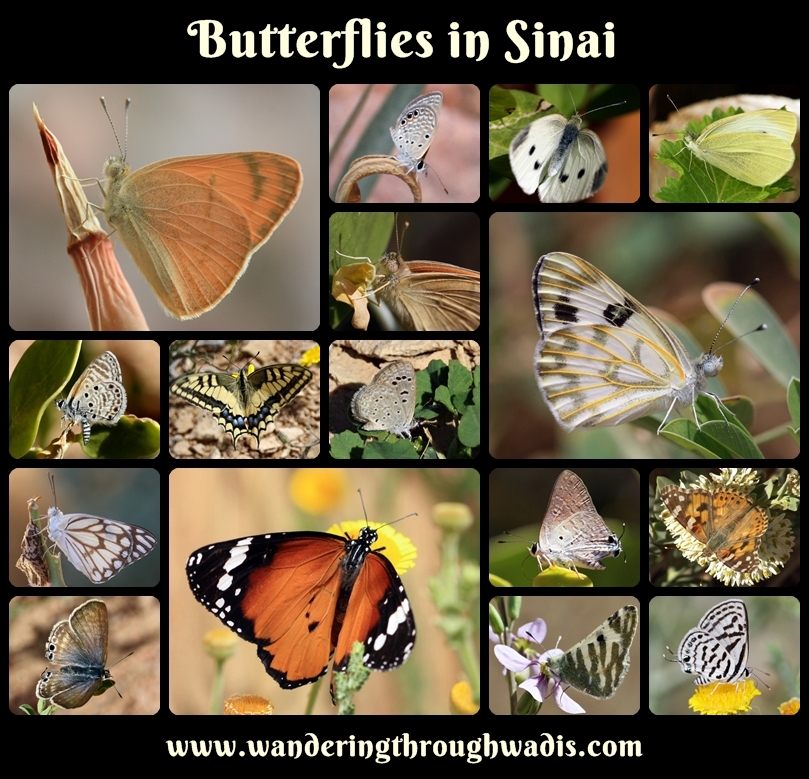
In the photo collection above, you can see:

Large Salmon Arab (Colotis fausta)
Grass Jewel (Chilades trochylus)
Small White (Pieris rapae)
African Babul Blue (Azanus jesous)
Saharan Swallowtail (Papilio saharae)
Dark Grass Blue (Zizeeria karsandra)
Desert White (Pontia glauconome)
African Caper White (Belenois aurota)
African Monarch (Danaus chrysippus)
Pomegranate Playboy (Deudorix livia)
Painted Lady (Vanessa cardui)
Long-tailed Blue (Lampides boeticus)
Scarce Green-striped White (Euchloe falloui)
Mediterranean Tiger Blue (Tarucus rosaceus)

African Caper White Butterfly

I mentioned on my Facebook page the other day that I was raising caterpillars with one of my students and I promised to write a blog post to reveal who would emerge from the chrysalis. This is a butterfly I have raised indoors on several occasions and one that is often found in my garden, so I have been lucky to observe these critters a lot over the years and I have a ton of photographs. It was hard to narrow down the choices, but I am finally ready to introduce you to…the African Caper White Butterfly!

First Ones (4)

Also known as the Brown-veined White or the Pioneer White, Belenois aurota butterflies only lay their eggs, in batches of 25 – 30, on the leaves of caper bushes (Capparis sp.) The eggs are tall and ribbed and stuck onto the leaves with a special “glue”.

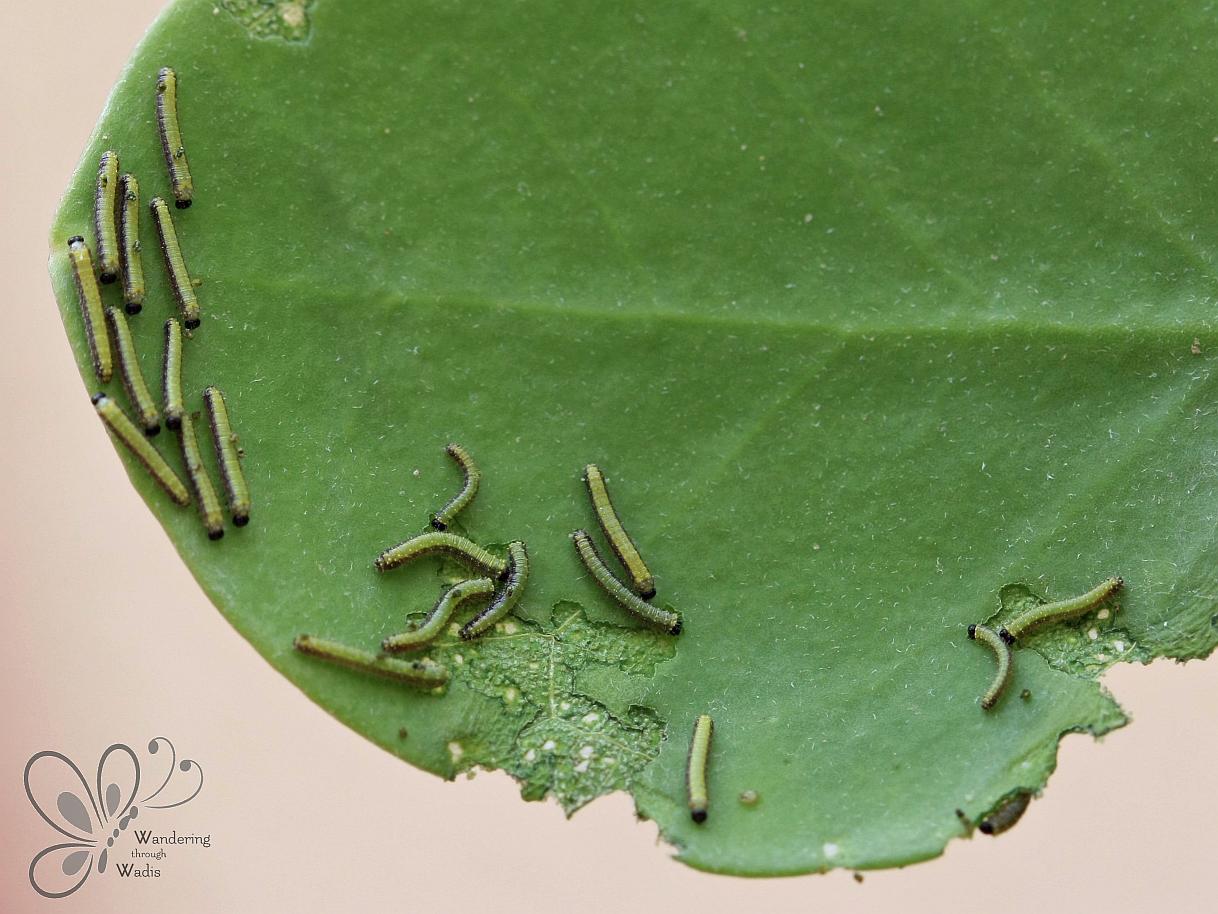
When the larvae, or caterpillars, hatch, they are olive green in color and have glossy black heads. They live and feed gregariously, or socially in a group. They quickly devour the thick caper leaves as they continue to eat and grow.

Garden Caper Pooters (4)

Garden Caper Pooters (9)

Dahab Keyhole_NOV12_11

They will molt several times. The larger caterpillars are hairy and have a green stripe along their backs and mottled black stripes along their sides.

Garden Critters_ (18)

With their last molt, they form their pupa, or chrysalis. It is cream-colored and dashed with black markings and round yellow dots. They attach themselves, again in groups, with a sticky thread to the leaves or stems of the caper bushes.

DSCN8170

IMG_9004

DSCN8174

The adults emerge in about 7 – 10 days. Their wings, about 4 cm across, are white with black or dark brown veins.

Garden Critters_ (8)

IMG_9361

When they are ready to come out, some segments of the chrysalis become red and will stay this color.

After the butterflies emerge, they will feed and mate.

IMG_9208

Garden Critters_ (5)

And they don’t waste anytime getting started! In the video below, taken in my garden, you can see butterflies trying to mate with one whose wings are still drying.


Arghel

This is one of my favorite times of year to wander through the wadis of Sinai. For many reasons. Because of recent rains, the wadis are bursting with tiny green baby plants right now. I always enjoy stopping to discover what plants come up first after the rains, and what they look like when they’re so young. Fascinating! For me. 🙂 Another reason I love this time of year is that the arghel plants are in bloom – and they give off such a delightful fragrance!

img_3630

Some wadis, like Wadi Kid, are lined with arghel plants (Solenostemma arghel), called harjal in Arabic. If you are lucky enough to walk through one of these wadis in November, it will be a joy for your senses! Often you will smell the flowers before you turn a corner and see the plant.

near-wadi-gnai_22

Harjal is an evergreen shrub in the dogbane family. The plants grow up to 1 meter high and 10 meters in diameter. They live in gravelly, sandy, and rocky soils usually at the edge of wadi beds. Here’s a picture of a large harjal plant growing near Wadi Connection in Dahab:

wadi-connection_nov11-39

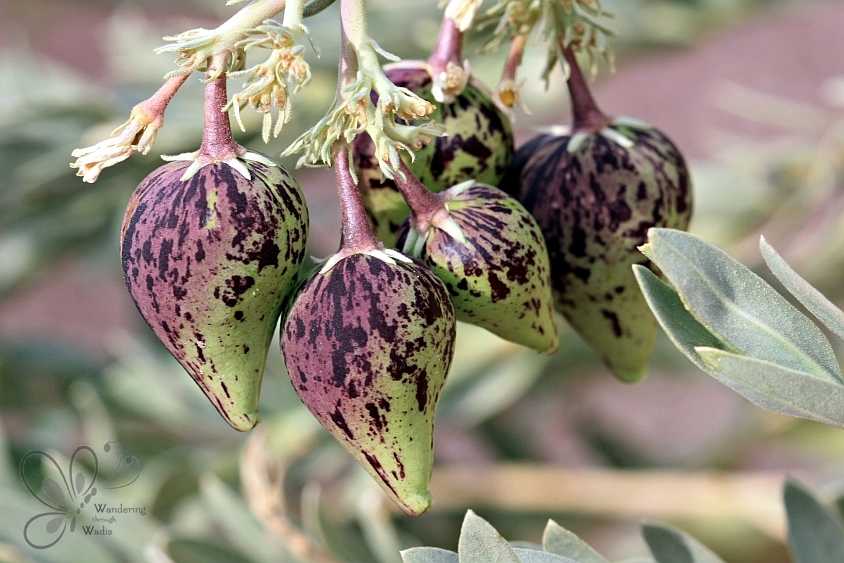
The leaves are greyish-green and their white flowers grow in bunches. The fruits are purplish-green, oval shaped, and can grow up to 5 cm in length.

wadi-connection_feb15-13

wadi-dahab-6

When they are ripe, they turn yellow and dry to a light brown. They split open, releasing dozens of tufted seeds that are blown by the wind.

wadi-connection_nov11-5

Bedouin in Sinai use this plant for medical reasons, as do many people throughout Egypt. Sadly, this plant is endangered due to over-collection for sale at herb shops dealing in medicinal herbs. Locally, the stem and leaves are used to treat a variety of ailments – infected sores and cuts, coughs and colic.

wadi-connection_nov11-40

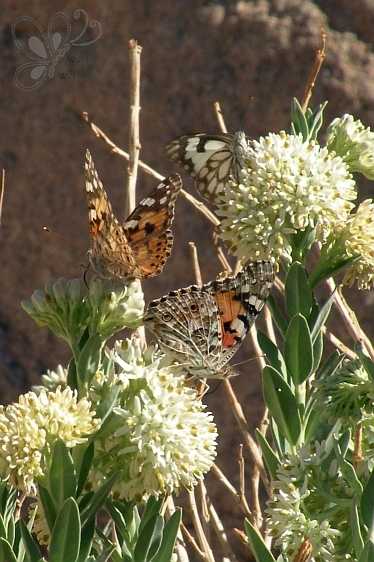
I’m not the only one attracted to these fragrant blooms! Butterflies, bees, and other pollinators are drawn to the flowers’ sweet nectar. In the picture below you can see two orange Painted Lady butterflies – the species I see most often on the harjal flowers – and a Brown-veined White butterfly.

wadi-gnai_nov12_21

wadi-gnai_nov12_22
Painted Lady Butterfly (Vanessa cardui)

Large Salmon Arab Butterfly

Of the nearly 19,000 butterfly species in the world, only 63 occur in Egypt. And this beauty – a Large Salmon Arab (Colotis fausta) – has been fluttering about my garden lately!

IMG_3569

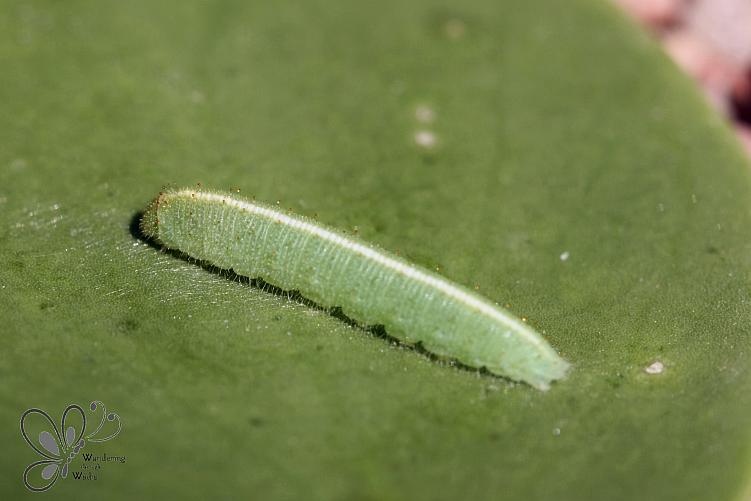
We are lucky here in South Sinai, as the mountainous region is one of the hotspots of butterfly diversity in Egypt, home to 2/3 of the butterflies found in Egypt. The Salmon Arab is a member of the Pieridae family of butterflies, or Whites, as they are commonly called. Like most butterflies, they go through a 4-stage metamorphosis: egg, larva (caterpillar), pupa (chrysalis), and adult. The eggs are laid on and the caterpillar feed on the leaves of caper bushes (Capparis sp.), which is why I find these butterflies in my garden and where you’ll usually spot them in the wadis. The caterpillars are light green, hairy, and have a pale-colored stripe through their body.

Large Salmon Arab Catepillar (1)

The larva continue to eat, grow, and molt (shed their skins) until they are ready to form their chrysalis (a hard skin) and start to pupate. The chrysalis is attached, usually to a leaf, by silk threads.

IMG_1839

After about a week, the adult butterfly emerges.

IMG_1888

The upperside of the wings are a salmon-pink to an orange-yellow color and the forewings have dark scales and black spots along the edges. In the dry season, they are smaller and lighter-colored. You can find these butterflies in flight between April and November.

Large Salmon Arab Butterfly_Garden Caper (2)

As a curious nature-lover as well as a teacher, I will occasionally raise caterpillars indoors to learn more about them. Check out the proboscis (sucking mouth part) on the newly-emerged butterfly below!

IMG_0307

Although the weather is getting a bit too hot to be wandering through wadis these days, you might just spot these butterflies near the caper bushes around town!

References:

Butterflies of Egypt: Atlas, Red Data Listing, & Conservation

Francis Gilbert & Samy Zalat

PDF version of the book is FREE to download here.